Home Company Raw Material Optimization
Smarter use of brass, from stock to scrap.
We plan every order so more of the metal ends up in your parts. That keeps prices fair and grades consistent, and very little goes to waste.
Why it matters
You pay for the brass, even the part that's cut away.
Brass is the biggest cost in most parts. Every chip that falls off the machine was bought at full price. When we reduce that loss and put usable scrap back to work, the savings can show up in your quote.
Scrap back in the loop
Clean turnings and offcuts return for re-melting instead of being sold off cheaply.
Grade stays true
Material is kept separate by grade, so recycled brass still meets your specification.
Less metal per part
Stock close to size and tight allowances mean less brass bought for each piece.
Quality untouched
Saving material never means cutting corners on strength, size or finish.
The material loop
How brass moves through our unit.
Every step is linked to the next. What's left over at the end goes back to the start, not into the bin.
-
Step 1
Match the grade to the job
We pick the brass grade your part really needs, based on its use, the threads and the finish.
-
Step 2
Source and sort the stock
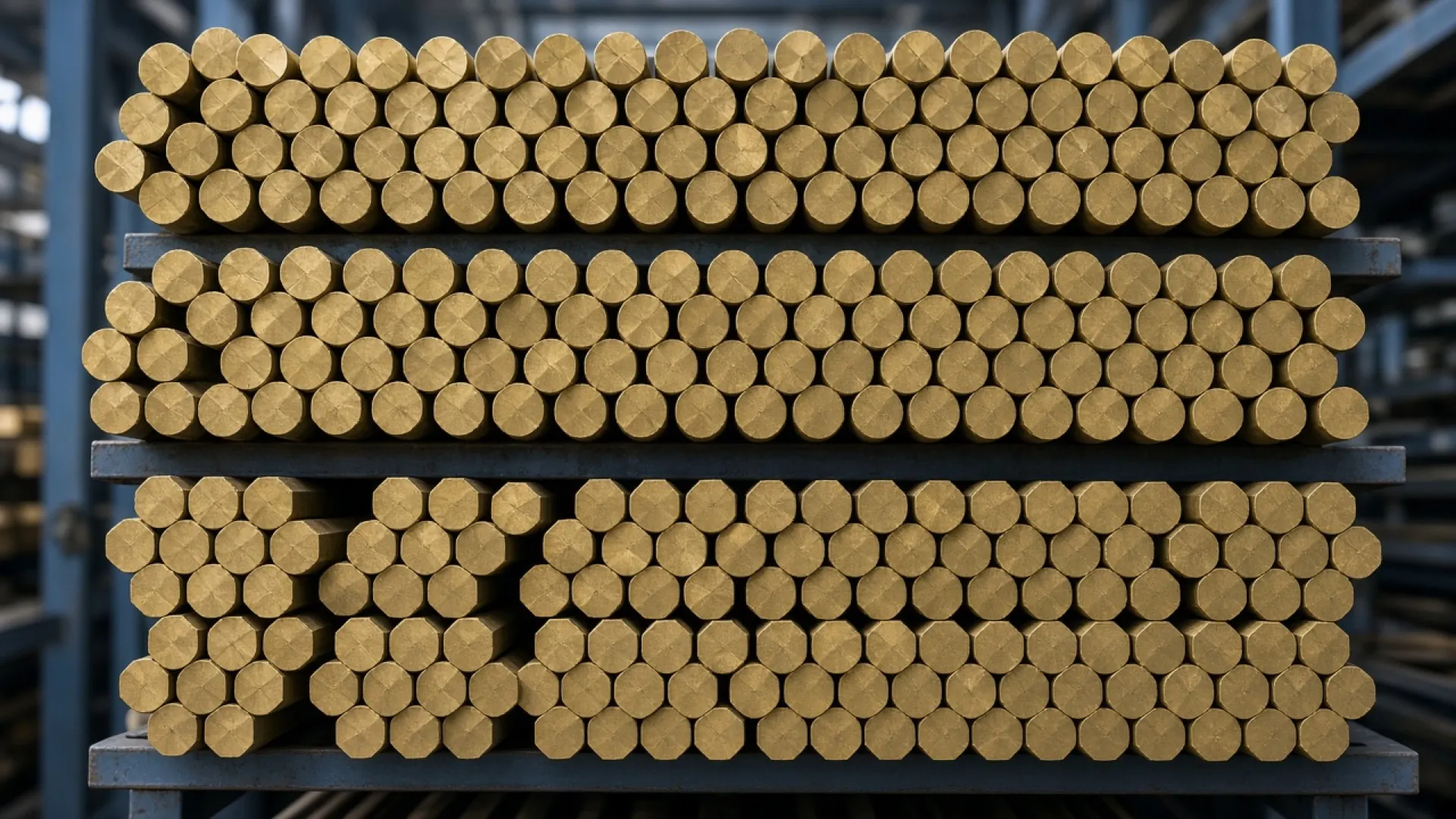
Rod, bar and melting stock come from trusted suppliers and are kept separate by grade from the day they arrive.
-
Step 3
Cast or forge near shape
Bodies and fittings are cast or forged close to their final form, so machining only has to finish them.
-
Step 4
Machine with small allowances
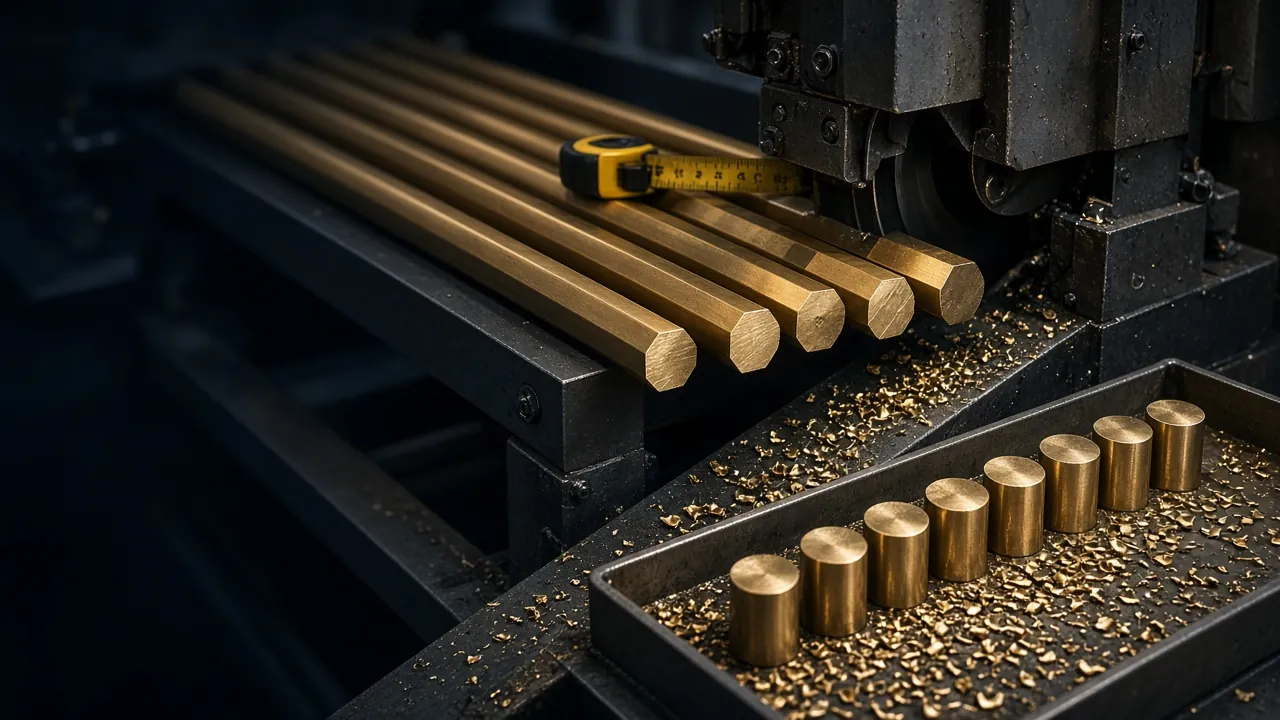
Tooling and part-off are set up to remove only what's needed and lose very little between parts.
-
Step 5
Collect turnings by grade
Chips and offcuts from each machine are gathered and kept apart, so grades never get mixed.
-
Step 6
Back to the melt
Clean scrap returns for re-melting, along with fresh stock. Then the loop starts again at step 2.
Planned before the first cut
Small decisions that save a lot of metal.
-
Smallest workable bar
The thinnest bar that still leaves a clean finish.
-
Shape-matched stock
Hex parts from hex bar and square parts from square bar, never cut down from round.
-
Hollow where possible
Tube or hollow bar for parts with a large bore, so the middle isn't drilled out.
-
Slim part-off
Narrow cut-off tools mean less brass lost between each piece.
-
Right first time
Approving the first piece stops a whole batch from going to waste.
-
Bar-end planning
Bar lengths are planned so the leftover end pieces are as short as possible.
What it means for buyers
Better value, same part.
Sharper pricing
Less material lost means a lower material cost in your quote.
Quicker machining
Starting nearer to size cuts machine time on each part.
Lighter footprint
Less new metal needed for the same number of parts.
Ideas we may suggest for your drawing
If a small change would save brass without changing how the part works, we'll point it out. The final call is always yours.
- A standard bar size in place of a special one
- A hollow section where solid isn't needed
- Forging or casting for larger shaped parts
- Another brass grade that suits the job at a better price
Get a free material review of your drawing.
Send us your part. We'll explain how we'd make it and how much brass it needs, and whether a small change could lower the price.
Market reference
LME Metal Prices
Live copper, lead, nickel and zinc
Prices keep updating on their own. Reference only, not a quotation.
Market reference
Jamnagar Brass Market
Retail reference from Telegram, ₹ per kg
Updated — · Taken from Telegram, daily around 10:35 AM IST · GST extra
Jamnagar brass market rates are retail reference rates, not official exchange prices. Actual prices depend on quality, quantity and payment terms.
Date-wise rates
Past Jamnagar rates, ₹ per kg. Pick a period or a date.
| Date | Honey Gulf | Honey Europe / U.K. | Brass Vilayti / Local |
|---|---|---|---|
| Loading… | |||